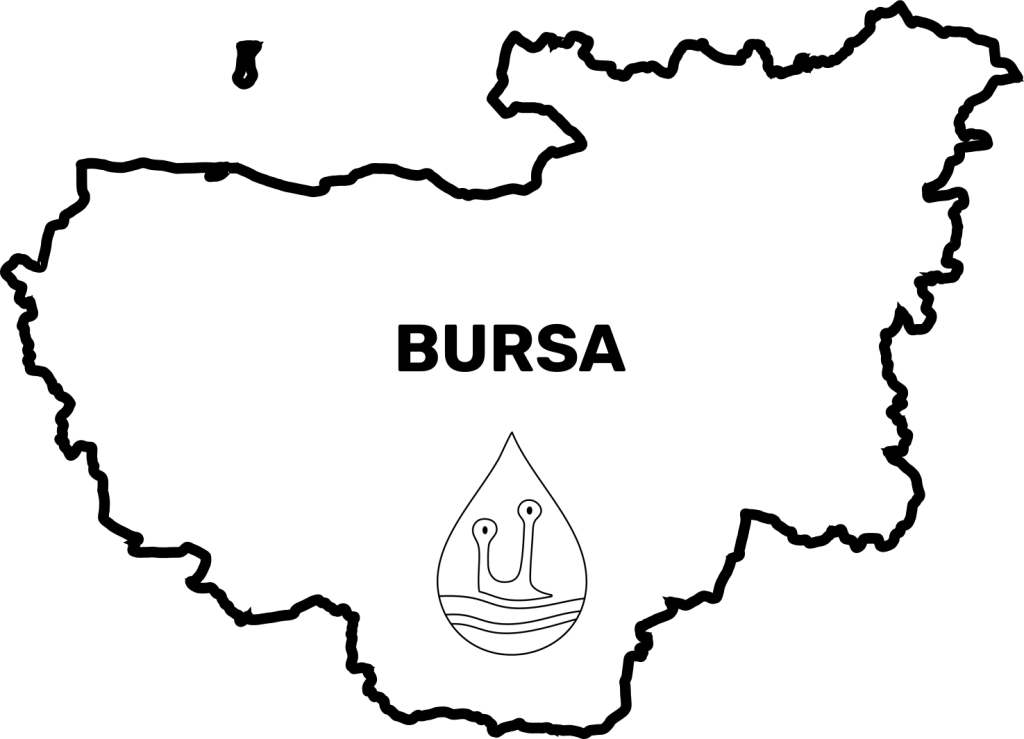
Category: Living Lab

  • Living Lab Nilüfer, Bursa, Türkiye

    Bursa contributes to this project as a case study with a track record of positive engagement from the Bursa Büyükşehir Belediyesi municipality, in challenging political environments.

    Population: 3.2 million

    Main water issues: Severe drought, Climate change, Industrial discharge (automotive industry), Agricultural collapse possible

    The water management is metropolitan, with centralised systems.

    Bursa, Türkiye is an urban region which experiences severe drought, with its primary reservoirs at critically low levels. As of late 2024, the city had only 40 days’ worth of water left, and its main dam (Nilüfer Dam) was completely dry (Akbas, 2025, Arslan, 2024).

    The region is highly vulnerable to climate change. Multiple climate models predict significant decreases and variability in annual and
    seasonal precipitation for Bursa, with the most robust declining trends under pessimistic scenarios (Yetik and Candoğan, 2024). The region is expected to become progressively drier, increasing the risk of desertification (Saygi, 2022, Yetik and Candoğan, 2024).

    Furthermore, The Nilüfer Stream, which traverses Bursa and irrigates much of its agricultural land, is now classified as “chemical waste” due to decades of untreated industrial discharge. Water quality has deteriorated to the point that it is unusable for irrigation or human consumption, with heavy metals and toxic substances contaminating both surface and groundwater (bianet.org, 2022, bianet.org, 2021).

    In terms of agriculture and public health risks, the pollution of the Nilüfer Stream, coupled with erratic rainfall and drought, threatens
    food security, soil fertility, and public health. Local experts warn of declining crop yields, contaminated produce, and the collapse of the region’s agricultural base (Arslan, 2024, bianet.org, 2022).

    Partners leading the living lab in Bursa: Bursa Büyükşehir Belediyesi municipality, and Bursa Teknik Üniversitesi (BTU).
    Email: turkey@aquasavvy.eu
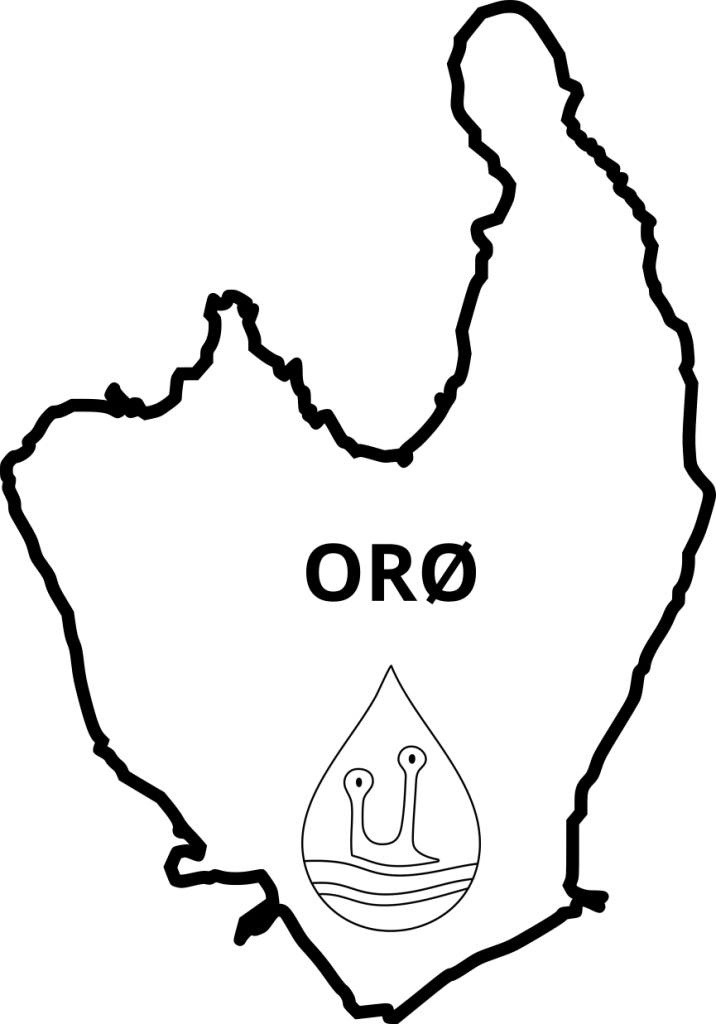
  • Living Lab Orø, Denmark

    Orø contributes to this project as a case study with a track record of active civic engagement through the work of Genskabet.

    Population: 1000 residents, 1200 holiday houses

    Main water issues: Water management, Groundwater protection, Storm surges + sea level rise, Groundwater quality and quantity, Vulnerable supply, Degraded nature

    Water management in Denmark is generally corporatised and centralised, however in Orø, classified as a rural area, some of the water supply is still local, and community based.


    Orø in the Municipality of Holbæk has a series of water issues that are relevant for many other regions. Like other coastal areas, flooding from storm surges is a growing risk. The coastal areas must become prepared for radically wetter futures. (Municipality of Holbæk. 2022). Precipitation will also change, with more rainfall in spring, in autumn and especially in winter, while the summers are expected to have periods with heat and droughts. As Orø represents an area where farming and tourism are the major businesses, both will have to adapt to this change. Further, the risk of flooding in built areas from cloud bursts and linked rain events will increase with potential personal and material costs.

    House owners, landowners and infrastructure managers are faced with finding solutions to deal with the risk. Another general problem that Orø shares with other regions is the concern for the groundwater quality and quantity. Hence the water supply is threatened by pollution from mainly former and current use of pesticides. As an island the local water supply is especially vulnerable, and it is noteworthy that local negotiations are ongoing to find solutions to create protected ground water areas. As a rural area with small cities and distributed settlements, the organisation of the water infrastructure is interesting as it consists of an array of both centralised infrastructures for water supply and waste water treatment as well as community organised solutions such as shared water works and finally individual and privately owned and managed facilities for water supply and wastewater treatment.

    Partners leading the living lab in Orø: Genskabet and AAU. The project members Siri, Jonas, Birgitte and Henrik all live on the island.